Death Tarot Card Meaning
major Arcana
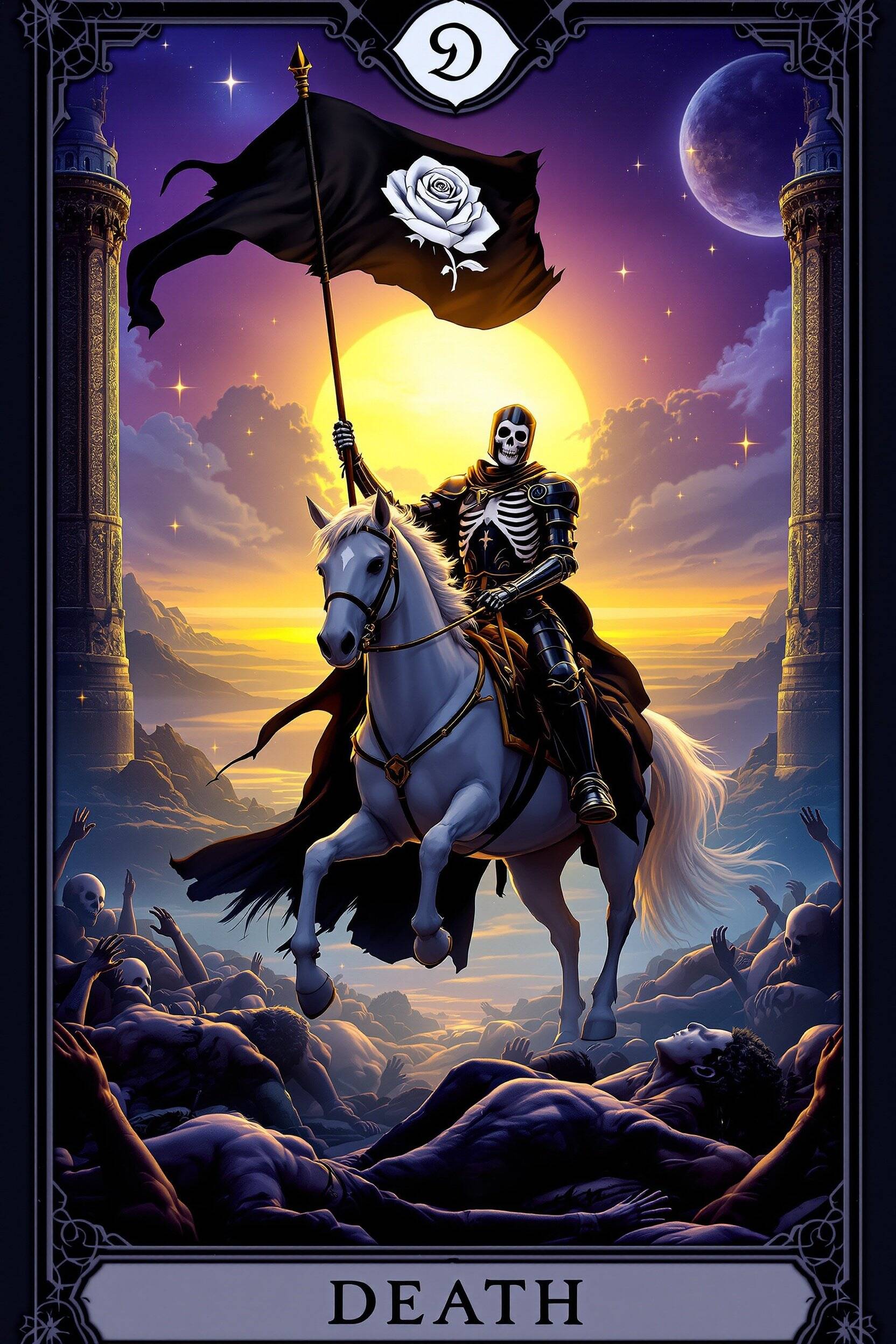
Death stands as the thirteenth card of the Major Arcana—perhaps the most misunderstood and feared card in the deck. Yet Crystal Stream Tarot's ethereal interpretation reveals the profound truth: Death is transformation, not termination. This archetype governs the sacred process of letting go so that new life can emerge. When Death appears, something is ending to create space for rebirth. The question isn't whether change will come, but whether you'll release gracefully or grip tightly.
Death Upright Meaning
General Interpretation
Death upright signals profound transformation—the ending of one chapter so another can begin. This isn't physical death, but the death of old patterns, identities, relationships, or situations that no longer serve your growth. While this process can feel painful, Death promises that what emerges will be more aligned with who you're becoming. Resistance prolongs suffering; acceptance allows rebirth. Something in your life is completing its natural cycle.
Love & Relationships
In matters of the heart, Death rarely signals relationship ending—it heralds transformation. This card may appear when a relationship is evolving beyond its current form, whether that means deepening commitment, releasing what no longer serves you, or embracing a fundamentally new dynamic with your partner. If you're single, Death suggests clearing emotional space for something genuinely new. Ask yourself: what patterns am I ready to let die so love can be reborn?
Career & Finances
Professionally, Death indicates significant career transition. A job, role, or entire career path may be ending—not as failure, but as completion. This card often appears before major professional reinvention: the dissolution of old professional identity to make room for who you're becoming. While this transition can feel disorienting, Death promises that releasing outdated career structures opens doors you couldn't see while clinging to the familiar.
Spirituality & Personal Growth
Spiritually, Death represents ego death—the dissolution of limiting self-concepts that keep you small. This is the dark night of the soul territory, where old beliefs and identities must die before deeper wisdom can emerge. Death invites you to release attachment to who you think you are so you can discover who you truly are. This process requires courage, surrender, and trust that what dies wasn't really you.
Death Reversed Meaning
General Interpretation
Death reversed often indicates resistance to necessary change. You may be clinging to situations, relationships, or identities that have run their course, prolonging a transition that's inevitable anyway. This reversal can also suggest stagnation—fear of change creating a kind of living death where nothing truly lives or dies. Alternatively, Death reversed may indicate a transformation beginning to complete: the worst is over, and new growth is stirring.
Love & Relationships
In love readings, Death reversed may suggest a relationship that's neither fully alive nor allowed to end—a limbo state that serves no one. You might be holding onto a connection that's completed its purpose, or refusing to let a relationship evolve because change feels threatening. This reversal can also indicate repeating old relationship patterns that should have died long ago. What are you afraid to let go of?
Career & Finances
Career-wise, Death reversed warns against clinging to professional situations past their expiration. You may be staying in a job, role, or industry that's no longer aligned because change feels too risky. This reversal can also indicate a transformation that's been delayed too long—the longer you resist necessary career changes, the more jarring the eventual shift may be. Sometimes what feels like security is actually stagnation.
Spirituality & Personal Growth
Spiritually, Death reversed may indicate ego resistance to necessary growth. You might be intellectually aware that old patterns need to die, yet emotionally unwilling to release them. This reversal can also suggest incomplete processing of past traumas or transitions—grief that was never fully honored, leaving you suspended between who you were and who you're becoming. Allow the transformation to complete.
Death Yes or No?
Death rarely gives a simple yes or no—this card operates in the realm of transformation rather than straightforward answers. If you're asking whether something will end, the answer is likely yes. If you're asking whether something new will begin, also yes. But Death reminds you that endings and beginnings are inseparable. Your question may need reframing: instead of "will this happen?" consider "what needs to change for my highest good?" Trust the process of transformation.
Death in Different Spread Positions
Past Position
Death in the past position indicates that a significant transformation shaped your current situation. Something ended—a relationship, career, belief system, or way of life—and that ending created the ground you're standing on now. Whether you experienced this past transition as loss or liberation, it was necessary for where you are today. Honor what died so that your present could be born.
Present Position
Death in the present confirms you're in the midst of significant transformation right now. Something is ending, and while this may feel uncomfortable, the process is exactly what's needed. You're being asked to release, let go, and trust that what emerges will be more aligned with your truth. This is not a time for forcing or controlling—it's a time for allowing.
Challenge/Obstacle Position
When Death appears as your obstacle, your resistance to necessary change may be blocking progress. Are you clinging to the familiar because transformation feels too threatening? This position often reveals that the very thing you're trying to preserve is what needs to end. Consider what would happen if you stopped fighting the change and let it complete naturally.
Advice Position
Death as advice urges you to release what's ready to go. Stop prolonging endings—let what needs to die, die. This isn't cruel but compassionate: holding onto what's complete only creates suffering. The card also advises trusting the transformation process. You don't need to know what comes next; you only need to release what's finished.
Outcome Position
Death in the outcome position suggests that transformation and rebirth await. Your current path is leading toward significant change—the ending of old patterns and the emergence of something new. While this outcome may seem daunting, it carries profound promise: what emerges from this transformation will be more authentic and alive than what came before.
Symbolism in Our Ethereal Death
The Armored Figure
Traditional: Death rides as a skeletal figure in black armor, representing that death comes for all—regardless of status or resistance—and that transformation cannot be stopped.
Our Ethereal Interpretation: Our ethereal Death figure is translucent, revealing not emptiness but starlight within—suggesting that beneath every ending is the same cosmic substance from which new beginnings emerge.
The White Horse
Traditional: The pale horse represents purity and strength—death as a powerful but ultimately cleansing force that separates what's temporary from what's eternal.
Our Ethereal Interpretation: In our rendering, the horse shimmers with opalescent light, hooves trailing aurora—transformation as beautiful and unstoppable as natural phenomena.
The Rising Sun
Traditional: Between two towers, the sun rises—the promise that after every death comes a new dawn, after every ending comes a new beginning.
Our Ethereal Interpretation: Our sunrise pulses with rings of golden and teal light, suggesting that the new day doesn't merely follow darkness but is born from it—endings generating beginnings.
The Fallen Figures
Traditional: King and clergy fallen before Death show that transformation comes to all, regardless of earthly power or spiritual authority.
Our Ethereal Interpretation: Our fallen figures dissolve into light rather than decay, emphasizing that death releases essence rather than destroying it—forms change, but consciousness continues.
The Black Banner
Traditional: Death's banner bears a white rose—beauty and purity emerging from darkness, the promise of new life through death.
Our Ethereal Interpretation: Our banner's rose glows with inner luminescence, its petals catching light even in shadow—suggesting that hope isn't merely found after darkness but within it.
Frequently Asked Questions
Is the Death card bad in a tarot reading?▼
Does the Death card mean someone will die?▼
What does Death mean for love and relationships?▼
What does Death reversed indicate?▼
What does Death combined with The Tower mean?▼
Should I be scared if I draw the Death card?▼
Related Cards
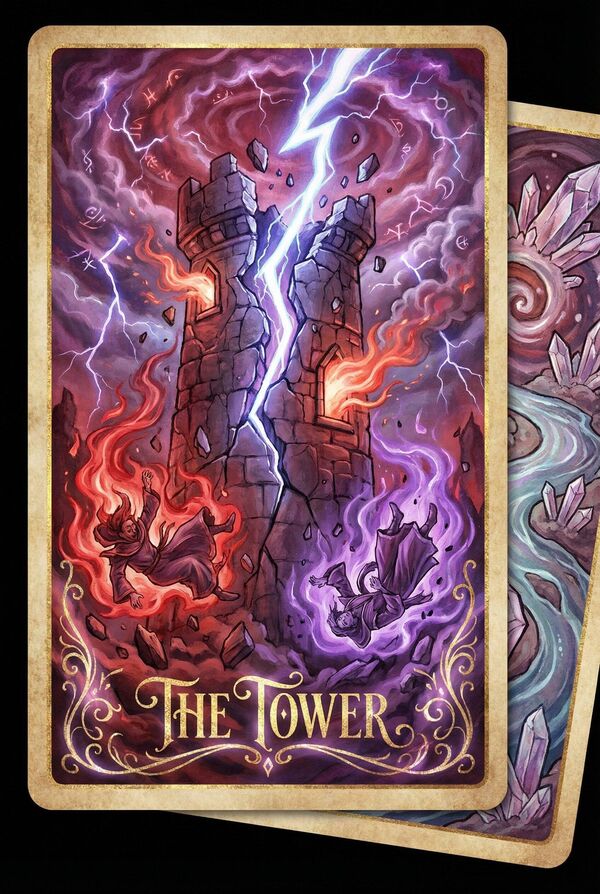
The Tower
Both cards signal transformation, but where Death brings gradual endings, The Tower brings sudden upheaval—different speeds of change.
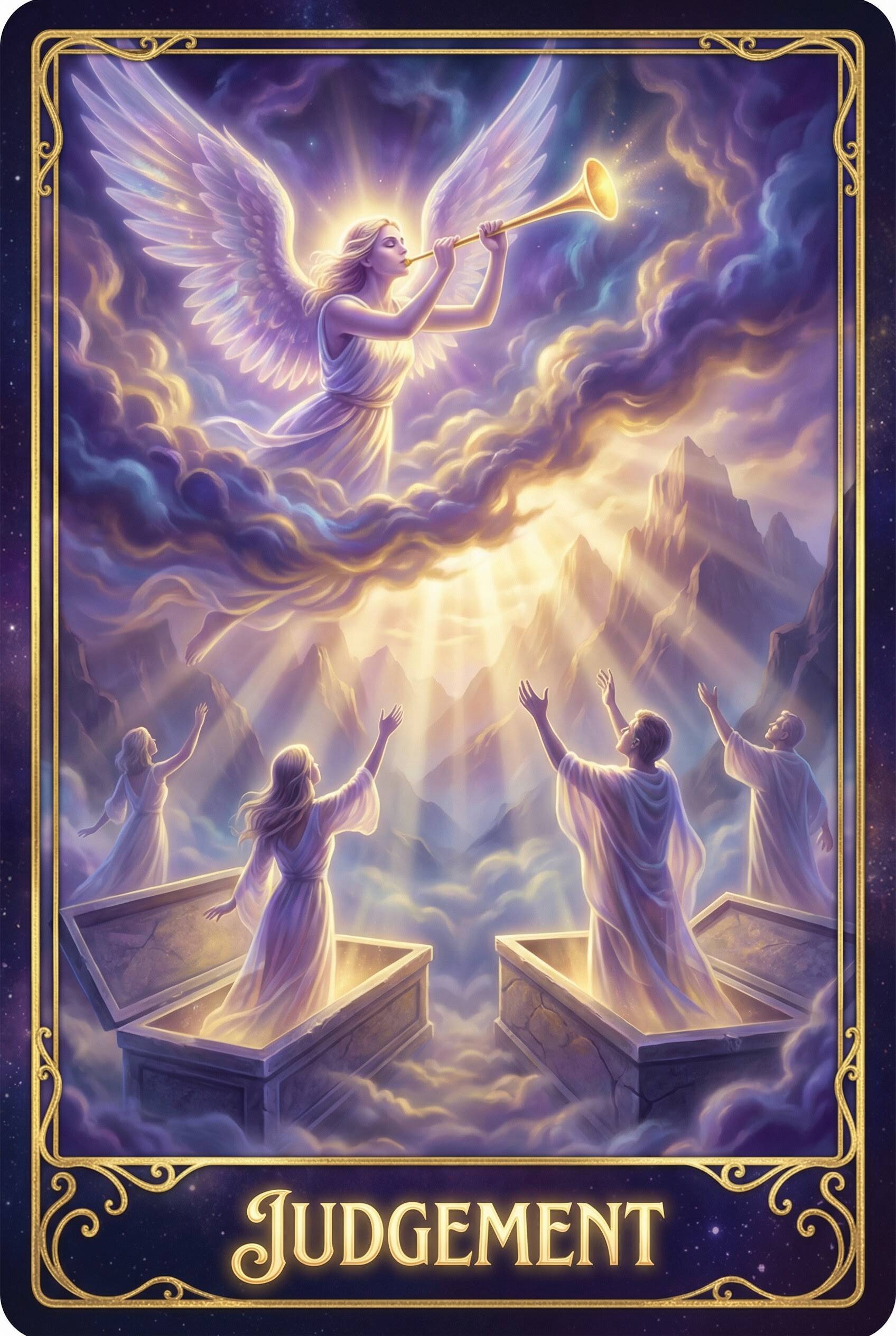
Judgement
The resurrection that follows Death—where Death is the ending, Judgement is the awakening to new purpose that results.
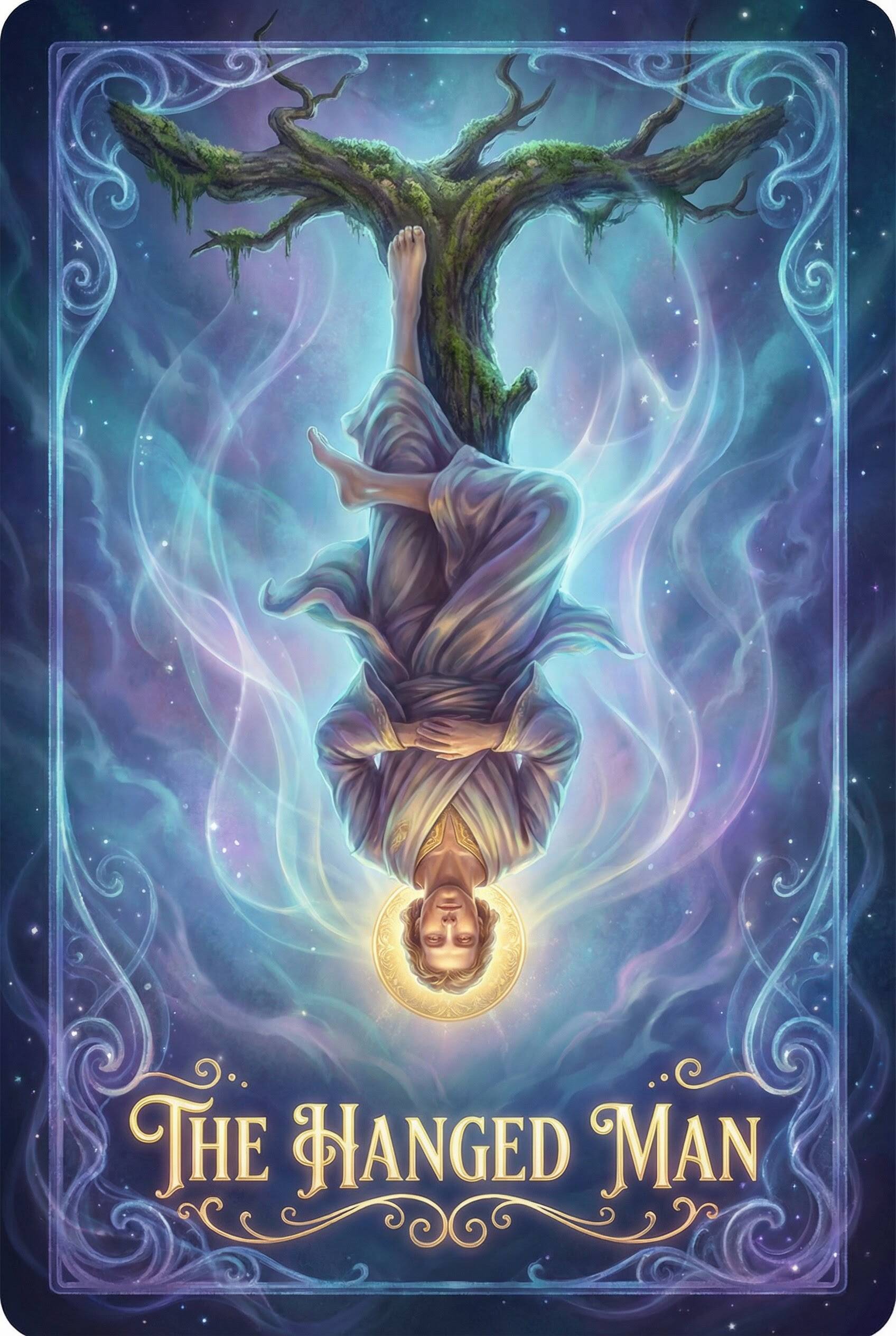
The Hanged Man
Precedes Death in the Major Arcana—the surrender that prepares us to release what Death asks us to let go.
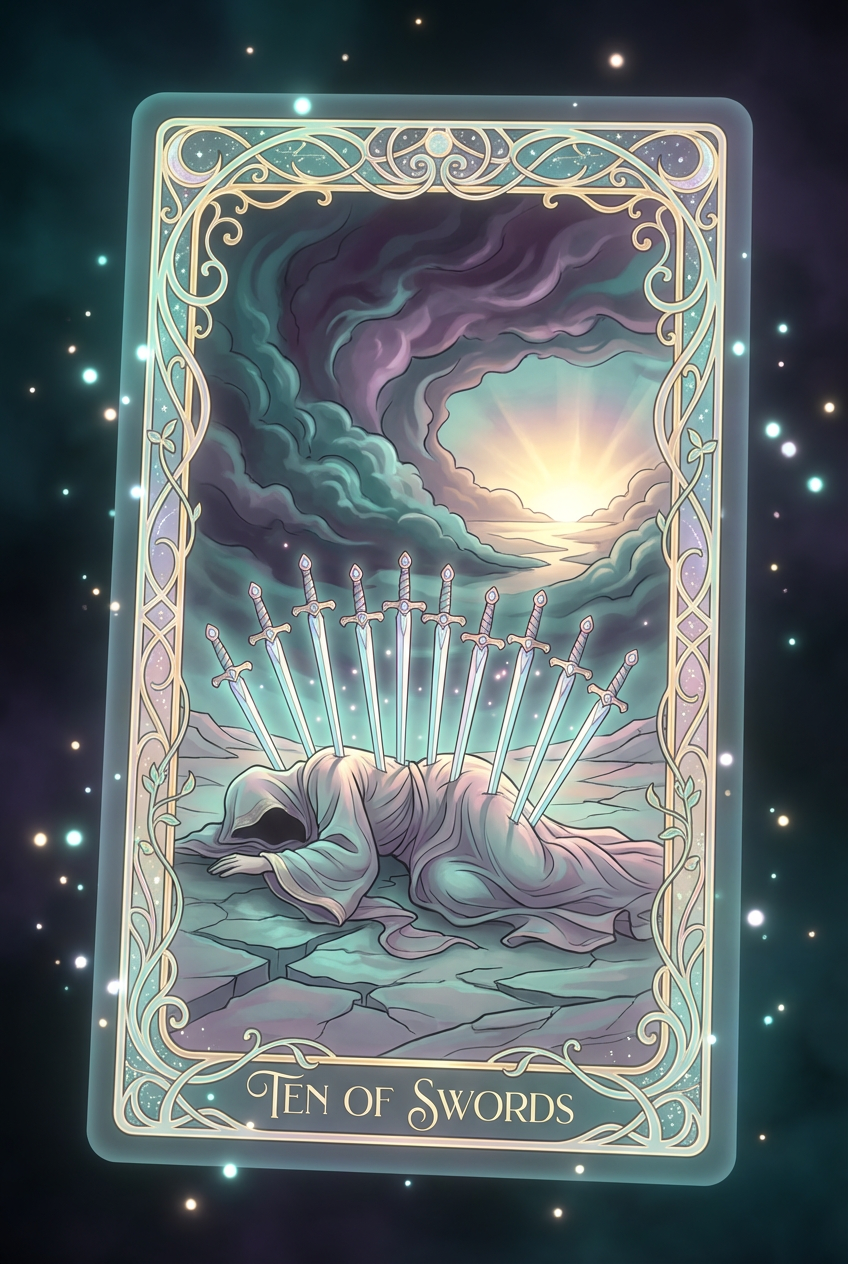
Ten of Swords
A Minor Arcana echo of Death's energy—the absolute ending that paradoxically promises a new dawn.
Experience Death in a Reading
Our AI-guided readings combine traditional tarot wisdom with insights shaped by how our community engages with the cards—each interpretation informed by the questions seekers like you have asked.
Recommended spreads for Death:
Start Your ReadingTarot readings are for reflection and entertainment. They don't replace professional advice for medical, legal, financial, or psychological matters.